TRAFFIC THROUGH THE STRAIT OF HORMUG IS BEGINNING TO RESTORE, BUT IT’S HARD TO SEE
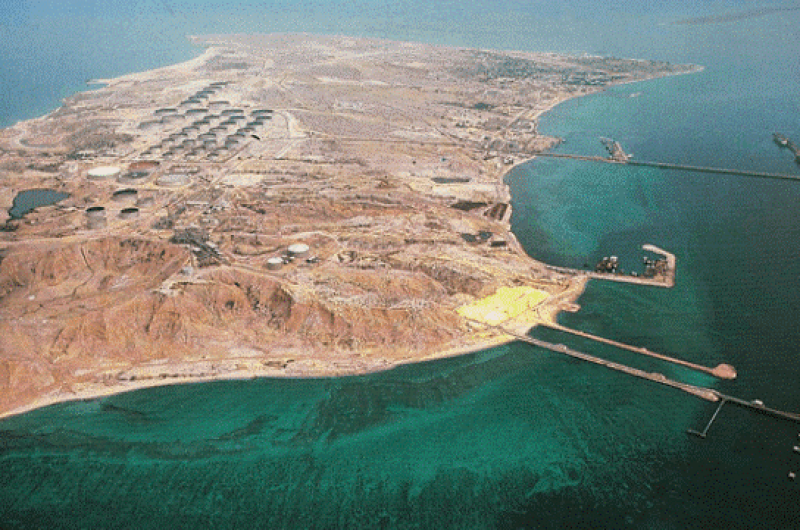
Kharg Island Loading Terminals in Iran (Public Domain File Image)
Despite some conflicting guidance from the US and Iranian militaries on the safest route through the Strait of Hormuz, commercial shipping is slowly but surely resuming.
“50 to 60 percent of shipping is completely dark,” Windward co-founder Ami Daniel told CNBC. The signal blackout isn’t just due to transits with AIS turned off—these ships are traveling without radar, satellite or VHF communications, fearing they’ll be targeted. “It’s like a full-fledged fleet operation for conventional tankers,” he added, making it difficult to accurately count the number of transits. As one might expect from these extreme precautions, “[shipowner confidence] is absolutely, without a doubt, not at its peak,” he said.
Iran’s shadow fleet continues to employ a variety of deceptive practices, including fraudulent marking, hidden ownership, and coasting oil from Iran to Iraq, where covert oil shipments to disguise the origin of the oil are traditionally common. According to Windward, a significant portion of the daily traffic was by tankers bound for overseas, under sanctions control, and linked to Iran.
Iran has an incentive to export quickly: The U.S. Treasury Department has granted Iran a 60-day waiver to sell crude at any price to any willing buyer. China has historically been Iran’s top oil customer, but it cut imports in half during the height of the Hormuz crisis; It is expected to return to the market soon and absorb much of the subdued growth in Iranian exports.
Iranian tankers generally use the Iranian-controlled northern half of the strait, but foreign-flagged vessels have a choice of routes. The FT reports that shipowners are receiving conflicting guidance from Iran’s Persian Gulf Authority (which manages the northern, Iranian route) and US Central Command (which has its own corridor on the southern side, in Omani waters). The so-called PGSA recommends using its route for safety reasons, while CENTCOM and some Western insurers advise using the Omani route. If they stick to this choice, it could put them in Iran’s crosshairs.