
UNCERTAINTY CONTINUES TO DOMINATE THE OPERATIONAL ENVIRONMENT OF INTERNATIONAL SHIPPING.
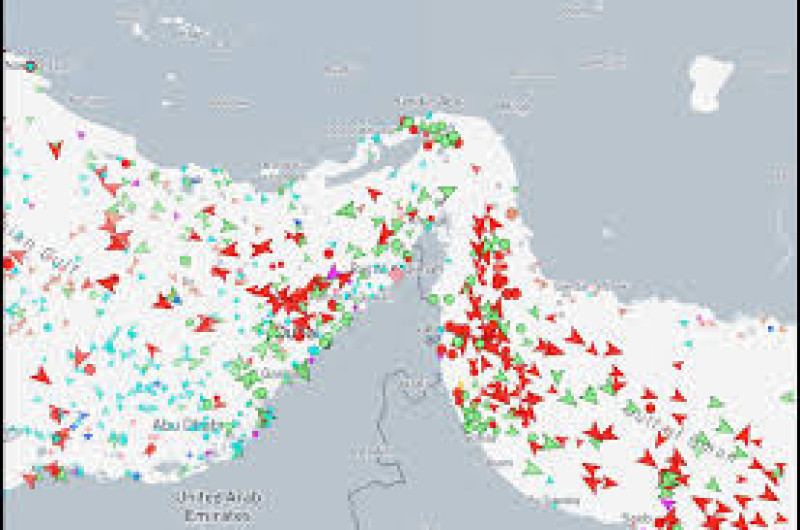
Many of you are undoubtedly following the latest developments regarding the armed conflict around the Strait of Hormuz. Following the previous framework agreement between the United States and Iran aimed at ending hostilities and restoring maritime communication, there were cautious signs that shipping operations may be gradually resuming. However, recent events show that the situation remains very volatile.
The UN International Maritime Organization (IMO) has temporarily suspended its operation to escort ships through the Strait of Hormuz after a reported collision with a commercial vessel near Oman, raising new concerns about the safety of the waterway and the durability of the previous agreement (Reuters report). This means that uncertainty continues to dominate the operational environment of international shipping.
To help assess the situation, we are sharing two recent reports and analyses that accompany this announcement:
1. A summary of key issues discussed at a Lloyd's List Intelligence webinar on the developments in the Strait of Hormuz and their implications for global shipping markets (with a focus on oil and gas); and
2. Allianz Commercial's latest Security and Shipping Review, which examines the impact of disruptions to traffic through the Strait of Hormuz on global shipping.
Lloyd's List Intelligence
The webinar highlighted that the situation remains highly volatile. Transit volumes have only partially recovered, the framework agreement remains vulnerable to disruption, and shipping continues to operate on a dual-route system, with most commercial operators preferring the southern corridor, endorsed by the US/Oman, over the northern corridor, endorsed by Iran.
In addition to the immediate recovery, the briefing highlighted several medium-term developments. Gulf countries are accelerating investment in alternative transport corridors, including pipelines and rail infrastructure, to diversify supply chains and reduce reliance on the strait. Bunker prices have fallen from crisis peaks but remain above pre-crisis levels, although uncertainty remains over the future of Iranian shipping, sanctions, insurance and the possible return of Iran’s shadow fleet to international markets.
Allianz Commercial
A report by Allianz Commercial says the shipping industry is entering a “new maritime order” where geopolitical tensions, security risks and uncertainty are becoming structural features of international trade rather than temporary phenomena. Allianz warns that restoring confidence and normal traffic levels will take time as shipowners continue to prioritize the safety of their vessels and crews.
Key findings of the report include:
• Some 1,150 cargo ships, worth an estimated $125 billion, have been affected by disruptions.
• Geopolitical risks are now considered one of the most important challenges facing the shipping industry, alongside traditional operational risks such as equipment failures and fires on board.
• The increase in ship size is also leading to a trend towards general average claims, where the shipowner and the cargo operators share the loss or cost of rescuing the entire enterprise in the event of an emergency. Such claims are typically complex and large. Contributions to cover losses can be as high as 50% of the value of the cargo, which, if a ship is carrying, for example, several thousand electric cars, could easily exceed $100 million.
• Insurance has remained affordable throughout the crisis, albeit at a high price.